
Kendrick Johnson Case: Context and Disputed Claims Regarding Court Testimony and Crime Scene Presence
The death of Kendrick Johnson case has remained a highly debated and emotionally charged matter for years, generating multiple investigations, civil actions, and public disputes over what occurred and how the case was handled.
Officially Documented Case Background
Kendrick Johnson, a teenager from Georgia, was found deceased in 2013 inside a rolled-up gym mat at Lowndes High School in Valdosta, Georgia. The original investigation conducted by local authorities concluded that the death was accidental, attributing it to positional asphyxia.
Subsequent reviews by federal and state agencies did not result in criminal charges, and no official prosecution has been brought in connection with the death.
Ongoing Disputes and Alternative Claims
Over the years, Johnson’s family and independent investigators have challenged the official findings, citing concerns about:
Potential inconsistencies in the original investigation
Handling and preservation of evidence
Alleged conflicts of interest involving individuals connected to the case
Whether all witness statements and procedural steps were fully examined
These concerns have led to renewed calls for additional review, including appeals for independent investigation or prosecutorial reassessment.
Claims About Court Testimony and Crime Scene Presence
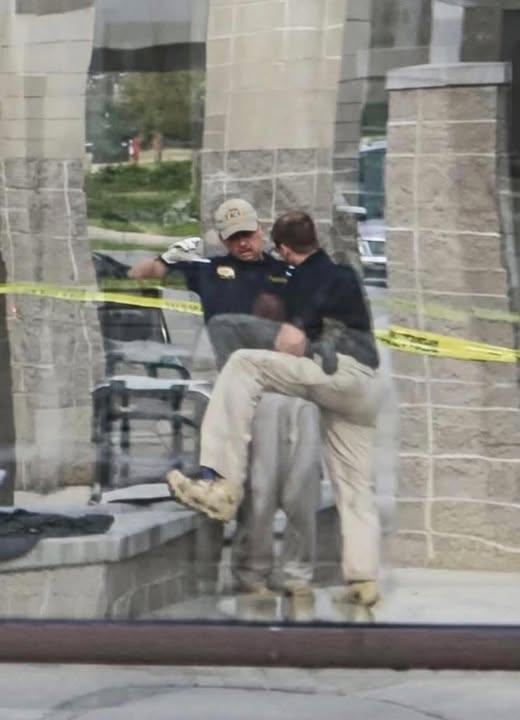
In more recent public discourse, claims have circulated alleging that certain individuals, including law enforcement personnel, were present at the school during the initial response phase of the investigation.
However, it is important to distinguish between:
Verified court-recorded testimony (which must be confirmed through official transcripts or filings), and
Secondary interpretations or social media summaries of alleged testimony
As of publicly available verified records, details regarding specific individuals’ presence, actions at the scene, or involvement remain matters that would need confirmation through authenticated court documents.
Importance of Verified Legal Records
In cases involving long-running disputes, especially those that have attracted significant public attention, courts rely strictly on:
Sworn testimony recorded in official transcripts
Admissible evidence entered into the record
Findings from authorized investigative agencies
Without direct access to certified court documentation, many circulating claims cannot be independently verified or treated as established fact.
Status of the Case
While the case remains a focal point of public discussion, no new criminal convictions or official determinations altering the original conclusion have been issued by recognized legal authorities.
The case continues to be referenced in broader discussions about investigative transparency, forensic procedures, and cold case review processes in the United States.
Summary
The death of Kendrick Johnson remains a deeply contested case with differing narratives between official findings and public allegations. However, only court-certified records and confirmed investigative reports can establish factual legal conclusions, and many claims circulating online have not been substantiated through verified judicial documentation.


