
The fatal police shooting in Gastonia has been officially closed after investigators determined that two officers acted in lawful self-defense during a rapidly escalating confrontation involving what appeared to be a real firearm but was later confirmed to be a replica weapon.
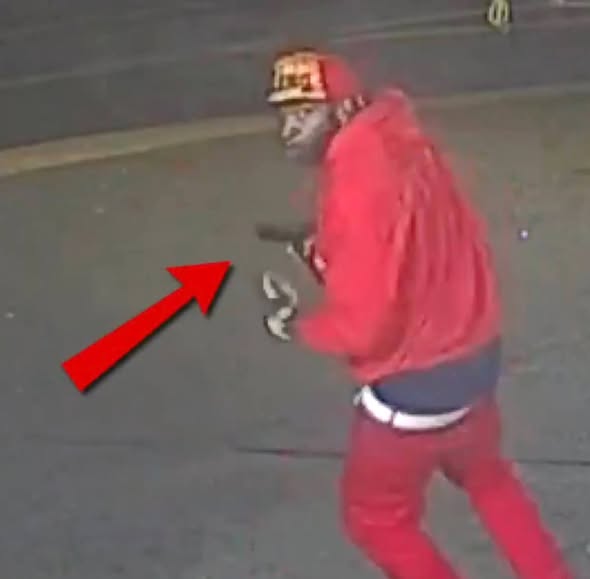
According to investigators, officers were conducting an unrelated plainclothes investigation in the area in January when they encountered Derrick Terrell Manigault during a tense interaction that unfolded quickly. Body-worn camera and nearby surveillance footage show that Manigault allegedly produced what appeared to be a handgun and confronted another individual, repeatedly issuing threatening statements that raised immediate concerns about a potential deadly attack.
Officials reported that Manigault was heard making aggressive remarks toward a nearby person, including statements interpreted as threats of lethal harm. As the situation escalated, officers perceived an imminent danger to both themselves and civilians in the vicinity.
Investigators later determined that the object in Manigault’s possession was not a functional firearm, but a black plastic replica modeled after a real handgun. Authorities noted that the imitation weapon lacked a visible safety indicator typically used on toy guns and included design features such as plastic components and metallic-colored rounds that made it closely resemble a real weapon. As a result, officers on scene had no immediate way to distinguish it from a lethal firearm during the confrontation.
Following a full review of bodycam footage, surveillance video, witness statements, and forensic evidence, the Gaston County District Attorney’s Office concluded that the officers’ response was legally justified under self-defense standards. Prosecutors determined that the officers were confronted with a credible and immediate threat and acted within their authority to use force to protect themselves and others.
District Attorney Travis Page confirmed that no criminal charges would be filed against the officers involved, stating that the law does not require officers to wait for absolute confirmation of a weapon’s authenticity when faced with an apparent deadly threat.
The case has also renewed public discussion in North Carolina about the risks posed by realistic replica firearms and the split-second decisions law enforcement must make during high-stress encounters.
With the investigation complete and charges declined, officials have formally closed the case, emphasizing that the released footage provides a full account of the incident and the reasoning behind the officers’ actions.