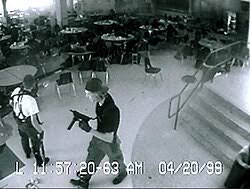
Dylan Klebold and the Columbine High School Shooting: Remembering the Victims of the 1999 Tragedy

The name Dylan Klebold remains closely associated with one of the most consequential school shootings in American history. On April 20, 1999, Klebold and Eric Harris carried out an attack at Columbine High School in Littleton, Colorado, killing students and a teacher, injuring many others, and leaving families and survivors to cope with lasting trauma.
The tragedy transformed conversations about school security, warning signs of violence, emergency response and the long-term impact of mass shootings on communities.
What happened at Columbine High School?
On the morning of April 20, 1999, Klebold, 17, and Harris, 18, attacked their high school. The shooting began outside before continuing inside the building. Students and staff sought shelter as law enforcement and emergency responders rushed to the scene.
The attackers killed 12 students and teacher Dave Sanders that day. More than 20 other people were injured. Both perpetrators died by suicide inside the school.
In February 2025, a survivor who had been paralyzed from the waist down in the attack died from sepsis. Her death was classified as a homicide, bringing the total number of victims whose deaths were attributed to the attack to 14.
Who was Dylan Klebold?
Dylan Bennet Klebold was a student at Columbine High School and one of the two perpetrators of the attack. He was 17 years old when the shooting occurred.
Klebold and Harris had planned the assault in advance. Investigators examined their actions, writings, communications and backgrounds as part of efforts to understand how the attack developed. The investigation also raised difficult questions about how warning signs are identified and how threats can be assessed before violence occurs.
Understanding the perpetrators’ backgrounds does not diminish their responsibility for the violence or the suffering experienced by the victims and their families.
The victims and the community’s loss
The Columbine shooting devastated families and the wider Littleton community. Students lost classmates, teachers lost students, and survivors faced physical injuries and psychological consequences that extended far beyond the day of the attack.
The victims—not the perpetrators—remain central to the tragedy’s human story. Their families and classmates have carried the consequences of the shooting for decades.
Investigation and the legacy of Columbine
The FBI assisted local authorities by interviewing witnesses, examining evidence and investigating leads connected with the attack. Official investigative records document the response and the extensive effort to reconstruct what happened.
Columbine became a major reference point in national debates about school safety, threat assessment, emergency planning and gun violence. The attack also prompted extensive scrutiny of how schools and law enforcement communicate and respond when a serious threat emerges.
There is no single explanation that captures every factor behind the attack. Responsible accounts distinguish established investigative findings from speculation and avoid treating violence as inevitable or excusable.
Dylan Klebold and Columbine: Key Details
Detail
Information
Perpetrator
Dylan Bennet Klebold
Other perpetrator
Eric Harris
School
Columbine High School
Location
Littleton, Colorado, United States
Date of attack
April 20, 1999
Students killed that day
12
Teacher killed
Dave Sanders
Additional deaths attributed to the attack
One survivor died in 2025; her death was classified as a homicide
Perpetrators’ deaths
Both died by suicide
Historical impact
Major influence on discussions of school safety and mass violence
Disclaimer
This article summarizes historical information about the Columbine High School shooting. It is intended for informational and memorial purposes. Details about the victims and the attack should be treated with respect, and unverified claims about the perpetrators or their motives should not be presented as established fact.


