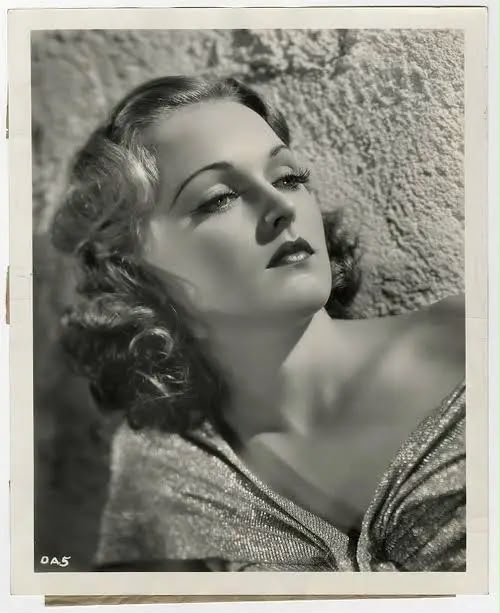

NEW YORK — October 16, 2026 — More than 115 years after Dorothy Arnold disappeared from Manhattan, the mystery surrounding the wealthy young socialite remains unresolved. Her disappearance on December 12, 1910, became one of New York’s most widely publicized missing-person cases, spawning decades of investigations, disputed claims and theories about what happened to her.
Arnold was 25 years old, a graduate of Bryn Mawr College and the daughter of Francis R. Arnold, a successful importer. Although she came from a privileged family, she reportedly hoped to establish herself as a writer and gain greater independence.
On the morning of December 12, 1910, Arnold left her family’s home on East 79th Street to go shopping. She purchased chocolates and a book while walking along Fifth Avenue.
Shortly before 2 p.m., she encountered a friend outside Brentano’s bookstore near Fifth Avenue and 27th Street. They spoke briefly, and Arnold reportedly said she intended to walk home through Central Park.
That conversation became the last reliably documented sighting of her. She never returned to the family home, and no subsequent sighting was conclusively established as genuine.
Arnold’s family initially sought answers privately rather than immediately reporting her disappearance to police. They consulted an attorney and hired private investigators, reportedly concerned that public attention could bring embarrassment and unwanted scrutiny.
The family eventually made the disappearance public in January 1911. By then, weeks had passed since Arnold was last seen.
The delay complicated the search and contributed to intense newspaper speculation. Authorities and investigators pursued leads across multiple locations, but none produced a confirmed explanation for her disappearance.
Over the years, several explanations have been proposed. Some suggested Arnold deliberately left her former life behind, possibly seeking independence from her family. Others suspected foul play.
One particularly sensational theory emerged after a doctor claimed that Arnold had died following a botched abortion at an illegal medical facility in Pennsylvania. The allegation was never conclusively substantiated, and no remains were recovered to establish that it was true.
There were also reported sightings, alleged messages and other leads. None provided sufficient evidence to determine what happened to her. These accounts remain historical claims rather than proof of any particular scenario.
The case attracted renewed attention over the decades, including after a New York police official briefly suggested in 1921 that Arnold’s fate was known, only to retract the statement the following day.
Her parents eventually came to believe she was no longer alive. Neither their conclusions nor the various theories that emerged over the years established the circumstances of her disappearance.
Today, Dorothy Arnold’s disappearance remains a historical mystery. There is no confirmed account of where she went after leaving Fifth Avenue, whether she died shortly afterward or whether she managed to begin a new life elsewhere.
The enduring significance of the case lies in the gap between the details known about her final day and the absence of reliable evidence explaining what followed. More than a century later, the central question remains unanswered: What happened to Dorothy Arnold?