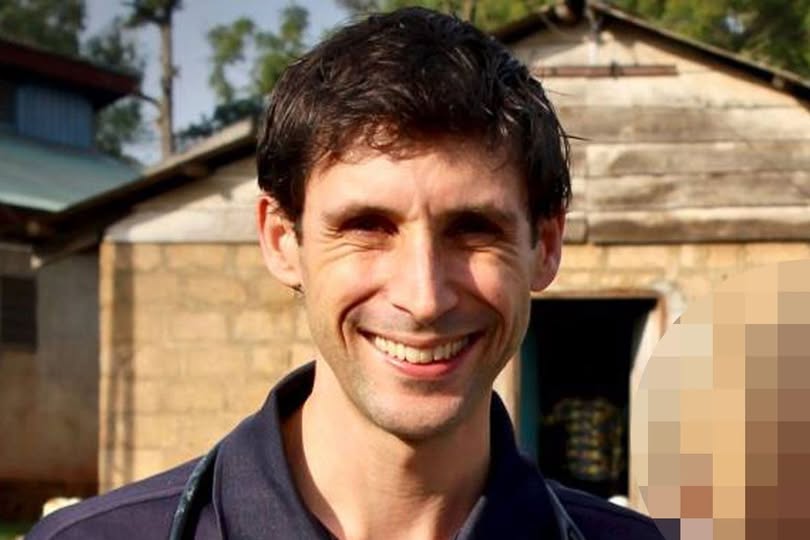

An American physician working in the Democratic Republic of Congo has drawn attention after reflecting on how perceptions of risk change in high-pressure medical environments, particularly when dealing with infectious disease outbreaks.
The doctor, who has been involved in Ebola response efforts in the region, said that his experience treating and monitoring highly infectious cases has reshaped how he evaluates danger in everyday life. In a widely circulated comment, he suggested that even routine decisions at home—such as allowing a child to use a smartphone—can feel comparably stressful in a different way, despite being far less medically dangerous.
His remarks were intended to highlight the psychological contrast between working in a high-risk outbreak zone and managing ordinary family life, rather than to equate the actual medical severity of the risks involved. Ebola remains one of the most serious viral hemorrhagic fevers known, requiring strict protective protocols, isolation measures, and international public health coordination.
The Ebola virus disease continues to be managed in affected regions through rapid response teams, vaccination campaigns, and containment protocols led by international and local health authorities.
Health professionals working in outbreak zones often describe significant mental and emotional strain, as well as the challenge of transitioning between emergency fieldwork and normal life. Experts note that such comparisons are sometimes used to illustrate how context can shift personal risk perception, rather than to minimize either form of concern.
The statement has sparked discussion online about how frontline medical workers process danger, stress, and family life differently after exposure to epidemic conditions.